October 30, 2026
How a Pizza Restaurant Creates the Perfect Dining Experience
By @erickvkyf553

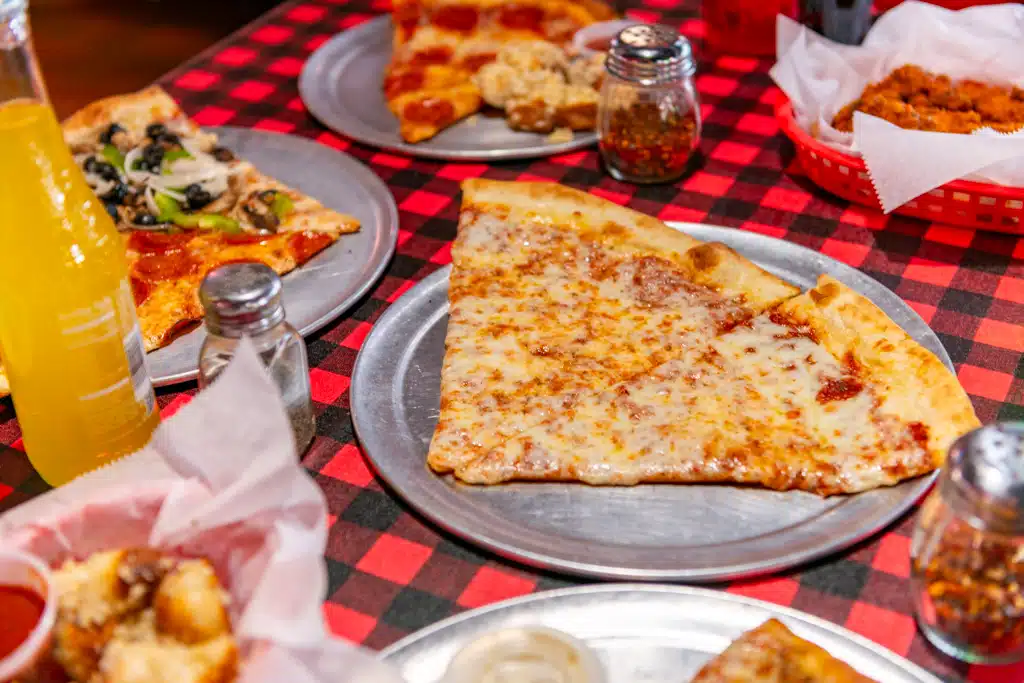

A great pizza restaurant is never judged on pizza alone. The crust can blister beautifully, the sauce can strike the right balance between sweetness and acidity, the mozzarella can melt into perfect white pools, and still the night can fall flat. Guests remember the whole experience. They remember whether the room felt alive or chaotic, whether someone greeted them quickly, whether the table was comfortable, whether the server seemed to know the menu, whether the pie arrived hot enough to steam when sliced.
That is what makes hospitality so exacting. Pizza is often treated as casual food, but running a strong pizza restaurant takes as much discipline as any fine dining operation. In some ways, more. The pace is faster, the dining room usually serves a broader mix of people, and expectations can be surprisingly high. One table wants a quick family dinner before soccer practice. Another wants a bottle of Barbera and a long evening. A third is ordering gluten free crust, no onions, half extra cheese, and asking if the pepperoni is spicy enough for a teenager who now believes he is a chili expert.
The perfect dining experience is not an accident. It is engineered through dozens of choices that most guests barely notice. When those choices are right, the restaurant feels effortless. When they are wrong, even excellent pizza struggles to save the meal.
It starts before the first bite
Long before the first pizza lands on a table, the restaurant has already begun shaping the guest experience. The exterior matters more than many operators admit. A pizza restaurant should feel inviting from the sidewalk or parking lot. Clean windows, good lighting, visible signage, and a front door that opens into a space with purpose all send a signal. Guests make assumptions in seconds. If the entrance looks neglected, they quietly brace for mediocre service and tired food.
Inside, the first impression needs clarity. People should understand where to wait, where to order if it is counter service, and who will help them. Confusion at the door creates friction that lingers. In busy restaurants, especially on Friday and Saturday nights, that first minute often determines whether guests feel taken care of or merely processed.
Well-run places train hosts to do more than manage names on a list. A strong host reads energy. A family with small children should not be left standing near the bar for ten minutes if it can be helped. A couple clearly on a date should not be wedged beside the kitchen swing door if there is a better option coming open. A regular should be recognized, not because every restaurant must pretend to be a neighborhood clubhouse, but because hospitality is partly about memory. People return to places where they feel seen.
The room sets the pace
Dining rooms in pizza restaurants carry a difficult burden. They need to feel lively, but not loud enough to exhaust people. They need to turn tables efficiently, but not feel rushed. They need to welcome children without becoming a cafeteria. That balance is harder than it sounds.
Acoustics are one of the least glamorous and most important parts of the experience. Many pizza restaurants lean into hard surfaces, tiled floors, exposed brick, metal fixtures, and open kitchens. The look works, but sound bounces. Once the room fills, conversation turns into strain. Guests start leaning forward, repeating themselves, and speaking louder. What felt energetic at 6:00 can feel punishing by 7:30. Softening the room with upholstered banquettes, acoustic panels, curtains, or even smart ceiling treatments changes the entire atmosphere without changing the concept.
Lighting matters just as much. Bright, cold light makes a room feel transactional. Overly dim light makes menus unreadable and pizzas look dull. The best spaces use warm lighting that flatters both the food and the people eating it. This is not vanity. If guests feel comfortable in a room, they stay longer, order more naturally, and leave with a stronger memory of the evening.
Then there is the less romantic side: chair comfort, table spacing, and temperature. A pizza restaurant can serve brilliant food and still lose repeat business if the seats are punishing or the air conditioning blasts every table near the vent. Guests rarely say, "I am not coming back because your table height was awkward." They just do not come back.
Aroma, sight, and anticipation
Pizza has a natural advantage over many other foods because it announces itself. The smell of dough baking, cheese browning, garlic warming in oil, and tomato sauce simmering creates anticipation in a way few dishes can. Smart operators do not hide that advantage. If the concept allows it, an open or semi-open kitchen adds theater and trust. Guests enjoy watching dough being stretched, topped, and slid into the oven. It tells them the food is made here, by hand, in real time.
This matters because the perfect dining experience is partly sensory choreography. The guest should hear some life from the kitchen, but not a constant clatter. They should smell the oven without leaving the room greasy. They should see movement and craft, but not disorganization. That line is narrow. An open kitchen that looks disciplined feels exciting. One that looks frantic makes diners nervous.
In several busy pizzerias, I have watched guests become more patient simply because they could see the process. A twenty-minute wait feels different when you can watch dough being worked and pies rotating through the oven. If the kitchen is hidden, those same twenty minutes can feel suspiciously long.
Great service in a pizza restaurant is brisk, warm, and informed
Service style in a pizza restaurant needs a distinct rhythm. It cannot be stiff, and it cannot be careless. Too formal, and the meal feels at odds with the product. Too casual, and mistakes multiply. The sweet spot is professionalism delivered without performance.
That means greetings should be quick, but not scripted. Water and menus should arrive without delay. Servers need enough product knowledge to guide guests, not merely recite specials. A guest asking about the difference between a New York style pie and a Neapolitan-style pizza deserves a clear answer. So does the parent asking which pizza is least spicy, or the diner wondering whether the fennel sausage is made in-house. When staff answer confidently, guests relax. When they guess, guests notice.
Timing is where many restaurants falter. Pizza places are especially vulnerable because the kitchen has to manage dine-in, takeout, delivery, and often third-party app orders all at once. If the dining room gets ignored while tablets keep chirping near the expo station, the in-house experience suffers fast. Guests can forgive a reasonable wait if someone communicates honestly. They are far less forgiving when no one seems aware of the delay.
The strongest teams understand pacing table by table. Some guests want appetizers, salads, and then pizza. Others want the pie out as fast as possible. Families often benefit when a child-friendly item hits the table quickly. A date-night couple may want a slower build. Great service means reading those cues instead of forcing every party through the same sequence.
The menu must be exciting, but readable
One of the more common mistakes in a pizza restaurant is trying to impress everyone at once. The menu balloons. There are twelve signature pies, build-your-own options, pasta, burgers, wings, salads, calzones, sandwiches, desserts, and three different garlic bread variations. Variety looks generous on paper. In practice, it can dilute identity and overwhelm guests.
A strong menu feels focused. It offers enough range to create choice, but not so much that the kitchen loses control or the guest loses confidence. Every pizza category needs a purpose. Classic red pies anchor familiarity. White pizzas create contrast. A few house combinations show personality. Seasonal toppings can keep the menu alive, but they should make culinary sense, not exist solely for novelty.
Descriptions matter as well. Guests should be able to picture what they are ordering. "House sausage, roasted fennel, pecorino, chili oil" says more than a clever name with no context. Precision builds trust, especially in a category where many ingredients sound familiar but vary widely in quality.
There is also a practical business truth here. A tighter menu helps with consistency, training, and ticket times. Guests may think they want endless options, but what they actually want is confidence that what they order will be excellent.
Dough is the backbone, not a background detail
Anyone who has spent time around a serious pizza operation knows the dough controls much of the experience. It affects flavor, texture, digestion, speed of service, and even dining room perception. Guests may not ask about hydration percentage or fermentation time, but they feel the result.
A crust should fit the style of the restaurant and be executed consistently. If the concept promises airy, leopard-spotted pizzas from a wood-fired oven, guests expect tenderness and char. If it serves a crisp tavern-style pie, they want snap and edge-to-edge structure. Problems arise when the restaurant itself seems uncertain. A dough that is too wet for the oven, under-proofed on busy nights, or rushed because the prep schedule slipped will show up at the table immediately.
Consistency in dough work is also one of the clearest markers of operational maturity. On a bad night, many kitchens can still put tasty toppings on bread. On a strong night, a disciplined team produces the same crust across dozens or hundreds https://blogfreely.net/aubinafhwl/why-a-pizza-restaurant-is-the-heart-of-neighborhood-dining of pizzas. That kind of reliability is invisible when present and glaring when absent.
The dining experience improves when the crust supports the entire meal. Slices should hold if the style calls for it. The center should not collapse into soup. The rim should taste of grain and fermentation, not just toasted air. Guests often describe this simply by saying, "The pizza felt balanced." That balance is usually the dough doing its job.
Ingredients matter, but restraint matters too
There is a temptation, especially in competitive markets, to stack pizzas high with premium toppings and treat abundance as quality. Guests do love generosity, but pizza punishes excess. Too much sauce soaks the base. Too much cheese masks everything else. Too many toppings steam rather than roast, and the slice loses character.
The best pizza restaurants understand proportion. Good tomato sauce tastes like tomato, not sugar or dried oregano. Cheese should enrich, not blanket. Meats should bring salinity and fat, vegetables should bring sweetness or bitterness or acidity, and finishing elements like basil, hot honey, or lemon zest should sharpen the final bite rather than distract from it.
This is where experience shows. Operators who have spent years refining recipes know that one less ounce of mozzarella can improve browning, texture, and flavor clarity. They know mushrooms need moisture managed carefully. They know fresh basil belongs at the right stage or it blackens. They know that a pie loaded with six luxury ingredients can be less pleasurable than one with tomato, fiordilatte, olive oil, and excellent crust.
Guests may not articulate these mechanics, but they recognize the effect. They finish the meal feeling satisfied instead of weighed down.
Drinks and sides quietly define the visit
People often think of pizza as the star and everything else as support. In reality, side dishes and beverages can decide whether the experience feels complete or haphazard.
A salad that arrives crisp and properly dressed resets the palate. A thoughtful appetizer can buy time during a rush without making guests feel delayed. Desserts matter more than many casual operators think, especially for families and date-night diners. Even something simple, a good gelato, a house-made tiramisu, a warm cookie with vanilla ice cream, can send the table out on a higher note than another round of water and a check.
The drink program deserves similar care. Beer is the obvious partner, and it should be handled well. That means clean draft lines, proper glassware when possible, and a selection that matches the food rather than merely filling taps. Wine should not be an afterthought. Pizza loves bright reds, textured whites, and sparkling wines with acidity. A short, well-chosen list often outperforms an ambitious, confusing one. Low and no-alcohol options also matter more every year. If the only nonalcoholic choice is soda, the restaurant is missing a significant part of contemporary dining culture.
Speed matters, but not at the expense of calm
The perfect pizza restaurant feels efficient without making efficiency the guest's problem. This is a subtle but important distinction. Fast service is valuable. Visible rushing is not.
Guests should sense momentum, not panic. Orders should move quickly, but staff should not appear harried at every turn. Food runners should know exactly where dishes are going. Servers should not vanish for long stretches and then reappear apologizing. The bill should arrive promptly when asked, not because the restaurant wants the table back, but because waiting twenty minutes to pay ruins the final memory of the meal.
On peak nights, perfection often comes down to communication. If the kitchen is backed up, tell people early. If a specialty pie takes longer because of its bake profile, set that expectation. If the restaurant is handling a surge of delivery orders, the front-of-house team needs language and confidence to keep dine-in guests informed. Silence creates irritation faster than delay.
I have seen guests accept a forty-minute wait for pizza with good grace because the server checked in twice, explained the oven load honestly, and sent over a small plate of marinated olives. I have also seen guests become furious after twenty-five minutes because nobody said a word. Hospitality often lives in those small moments of acknowledgment.
Cleanliness is emotional, not just procedural
Cleanliness in a pizza restaurant affects guests on a nearly instinctive level. They notice flour buildup in corners, sticky menus, fingerprints on glass, restrooms that look tired by mid-service, and tables wiped with a cloth that leaves behind the scent of old sanitizer. These details shape trust.
A clean restaurant tells guests the team cares. It suggests the same discipline extends to dough fermentation, ingredient storage, and oven maintenance. The reverse is also true. Once a guest sees neglect in public areas, they start imagining what is happening in spaces they cannot see.
This does not require sterile perfection. Pizza restaurants should still feel warm and lived-in. Flour on the apron of a pizzaiolo can be charming. Smudged windows, overflowing bins, and greasy condiment bottles are not. There is a difference between evidence of active service and evidence of weak standards.
Staff culture shows up at the table
You can usually tell within fifteen minutes whether a pizza restaurant has a healthy team culture. In a strong operation, people move with purpose. They help one another. The host is not at war with the server station. The kitchen and front of house may be under pressure, but they are still connected. Problems get solved without public drama.
Guests pick up on tension quickly. If staff are short with each other, if every request seems to create friction, if the kitchen is audibly snapping at the floor team, the dining room absorbs that stress. Even if the food is good, the meal feels uncomfortable.
By contrast, a team that works with quiet confidence makes the restaurant feel generous. A busser who notices a dropped napkin and replaces it without being asked, a server who remembers that one guest requested dressing on the side, a pizzaiolo who remakes a pie because the center baked too soft, these actions are not random acts of excellence. They are signs of a culture where standards are shared.
That kind of culture is built through training, fair scheduling, realistic staffing levels, and managers who stay present on the floor. No script can substitute for it.
Regulars, newcomers, and families all need something slightly different
One reason the pizza restaurant category is so resilient is its breadth. Few restaurant types serve such a mixed crowd so naturally. Teenagers, retirees, young parents, office teams, solo diners, and first dates can all fit in the same room. That creates opportunity, but it also means the perfect experience is not identical for every table.
Families usually need predictability and patience. They care about quick seating, fast drinks, and servers who do not flinch when a child asks for plain noodles at a pizza place. Date-night diners often care more about atmosphere and pacing. Groups need clear guidance on pie sizes and ordering quantity. Solo guests may want a seat with comfort and a sense they are welcome, not awkwardly occupying space.
The best restaurants flex without losing identity. They can be hospitable to children without becoming childish. They can make a regular feel known without making a first-time guest feel like an outsider. That adaptability is one of the hardest qualities to teach, and one of the most valuable.
What guests remember when they leave
People do remember standout dishes, especially if the pizza was exceptional. But after years around restaurants, one pattern becomes clear: memory is cumulative. Guests leave with an overall feeling, and that feeling is assembled from dozens of details.
They remember whether they were welcomed or tolerated. They remember whether the room felt convivial or exhausting. They remember whether the pizza arrived hot, properly cut, and true to what the menu promised. They remember if the server steered them well or left them guessing. They remember whether the meal flowed.
A pizza restaurant creates the perfect dining experience when all of those elements support one another. Food quality earns the visit. Hospitality earns the return. Design, timing, comfort, cleanliness, and team culture are not side issues. They are the frame that lets the pizza shine.
That is why the best places feel so easy from the guest side. Nothing about them is accidental. Behind every relaxed meal is a disciplined operation, a staff that cares, and a clear understanding that pizza may bring people through the door, but the experience is what brings them back.
❧